


Fun Swan Facts
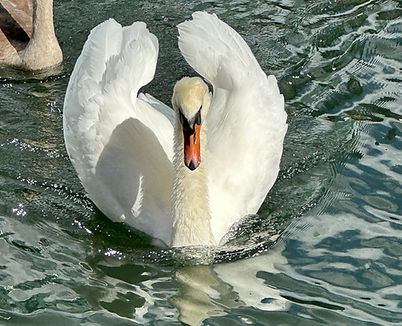
Did you know that swans are full of surprises? These elegant birds are not just beautiful they’re incredibly fascinating! Swans mate for life, forming strong family bonds and raising their cygnets with extraordinary teamwork. Baby swans can swim just hours after hatching, and they love to snuggle into their parents’ wings for warmth and protection. Swans communicate with a mix of gentle honks, body movements, and even soft grunts to keep their family together. And despite their graceful appearance, they’re powerful swimmers and can fly up to 60 miles per hour! Every day with swans reveals something new, making them one of nature’s most magical creatures.


Cygnet
A baby swan is called a cygnet, the word comes from the French word cygne, meaning “swan.”

Cob & Pen
A grown-up boy swan is called a cob, and a girl swan is called a pen. Together they make a pair for life swans are famous for their love stories!

White Polish
Tilly is a rare kind of swan called a White Polish. This means she has a special gene that made her feathers a creamy gold from birth instead of brown like her brothers and sisters. The name White Polish comes from Poland, where these unique swans were first discovered.

The Kings Swans
In the United Kingdom, all unmarked swans on open water belong to the King! It’s an ancient tradition dating back hundreds of years. Every summer, royal officers still count and check on the swans during a special event called “Swan Upping.”

Yummy Food
Swans love to eat lettuce, spinach, pondweed, and even water plants they find underwater. These foods keep them healthy and give them the energy they need to swim, explore, and care for their families.
.jpg)
Nesting
Swan parents are very protective. Both the cob and pen take turns keeping their eggs warm, and sometimes you’ll even see a cygnet riding on a parent’s back like a little boat!

Hatching
A mother swan lays between 5 and 9 eggs, which take about 42 days to hatch.

The Flock
When cygnets are around 6 months old, they start growing up and leaving their parents to find their own home in the flock or sometimes the parents give them a gentle nudge to move on so they can start a new family!
Lifespan
Swans can live for over 20 years in the wild and even longer when cared for in safe habitats.

Waterproof Feathers
A swan’s feathers aren’t just beautiful they’re waterproof! They use oil from a gland near their tail to keep their feathers dry and fluffy.

High Flyers
Swans are powerful fliers they can travel at up to 60 miles (almost 100 km) per hour when migrating!


Learn More
We’d love to share more wonderful swan facts with you and hear your own swan stories too!